From Commando to Construction Site to Workforce Manager: What I Learned
Dilash Priyashan on the path from the Sri Lanka Commando Regiment and running his own businesses to working as a formwork carpenter in Israel — and why that experience shapes how he manages construction workforces today.
 Dilash Priyashan · 15 October 2026 · 2 min read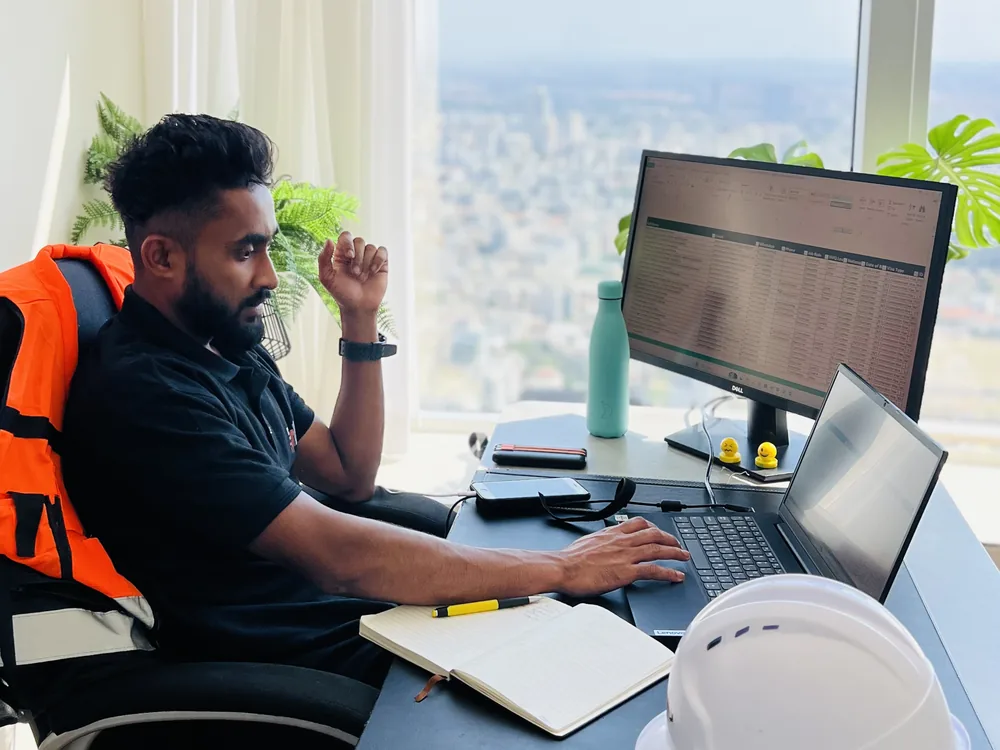
People sometimes ask how I ended up managing construction workforces in Israel. The honest answer is that every stage of my working life taught me one part of the job.
Discipline first: the Commando Regiment
My career began with four years in the Sri Lanka Commando Regiment. That is where I learned discipline, teamwork, responsibility and how to make decisions under pressure. On a construction project those same qualities matter every single day — when a deadline moves, a crew is short, or a problem has to be solved before the concrete truck arrives.
Learning business the hard way
After the army I became an entrepreneur. I ran an authorised SLT-Mobitel dealership in Weligama, opened a coffee shop that welcomed local and international visitors, and founded Recovery Enterprises, a business-support company working with financial institutions.
Running my own businesses taught me customer relations, sales, managing money and people — and that trust is the foundation of everything.
On the tools in Israel
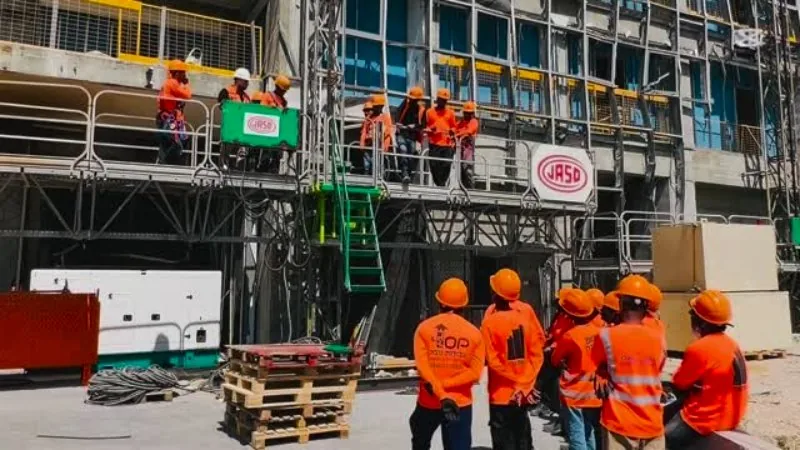
Then I came to Israel and started as a formwork (shuttering) carpenter on commercial construction projects. I built and dismantled formwork for reinforced-concrete structures, read drawings, followed Israeli safety rules and worked inside multicultural teams.
This was the most valuable lesson of all. I saw from the inside what makes a crew productive and what slows it down: the right skills in the right place, clear instructions, a safe site, and someone who listens when there is a problem.
Managing the workforce today
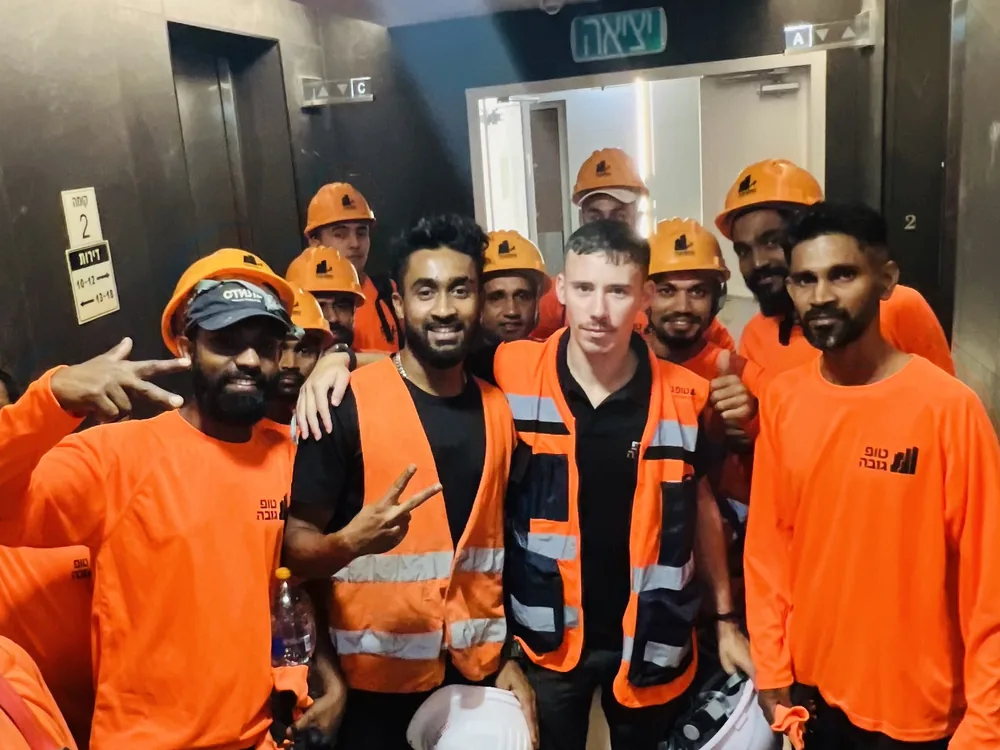
Today I work as a Workforce Manager at Gal Maayan Yazamut, coordinating skilled B1 construction workers from Sri Lanka. My day covers recruitment and onboarding coordination, deployment and transfers between sites, payroll reports and workforce records, documentation and compliance support, and a lot of communication between workers and management.
Because I have stood on the slab myself, I can talk to both sides — the site manager who needs results and the worker who needs to be treated fairly.
What I believe
Leadership is not just about managing people. It's about building people.
Successful projects are built on trust, discipline and strong partnerships between people and businesses. My goal is simple: connect skilled people with real opportunities, support them properly, and help companies build a stronger, more reliable workforce.
If you are a contractor or manpower company in Israel looking for a dependable partner for your Sri Lankan workforce, I'd be glad to talk.
Frequently asked questions
What does a Workforce Manager do on an Israeli construction project?+
A Workforce Manager coordinates the people side of the project: onboarding new workers, deploying and transferring crews between sites, keeping payroll reports and workforce records accurate, supporting compliance and documentation, and handling day-to-day employee relations.
Why does on-site experience matter for workforce management?+
Having worked on site, you understand what crews actually need — the right skills in the right place, clear communication and fair treatment. It makes it much easier to solve problems quickly and earn the trust of both workers and site managers.